
By RenoWorks Hampshire · Published 28/10/2026
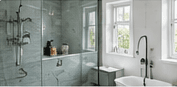
Treat recurring mould as a warning
Do not simply sand, dry-brush or paint over mould. It can affect health, and repeated growth needs the underlying moisture source addressed. Seek professional advice for extensive growth, hidden damage or concerns involving vulnerable occupants. Renters should report damp and mould promptly to their landlord. This guide is about observation and prevention, not diagnosing illness or giving a mould-remediation procedure for a particular home.
Record where moisture appears
Condensation often appears where humid indoor air meets a cold surface, but not every damp patch is condensation. Note whether marks follow showers, cooking, rainfall or a plumbing event. Photograph changes and record the rooms affected. Staining below a gutter, a local pipe leak or a damaged roof needs repair rather than a change of paint. Ask a building professional when the cause is unclear or the damage is spreading.
Check ventilation in normal use
Keep existing ventilation openings clear and operate extraction systems according to their instructions. Do not disable fans because the room feels cooler. If a system is noisy, ineffective or faulty, arrange assessment by an appropriate specialist rather than rewiring or altering it yourself. Discuss ventilation when replacing windows, adding insulation or draught-proofing; reducing uncontrolled air leakage should not leave the home without suitable planned ventilation.
Manage avoidable moisture sensibly
Look at routine sources such as uncovered cooking, long showers and drying laundry. Use available extraction and consider practical ways of reducing moisture release that suit the household. Leave room for air circulation around crowded furniture where possible. A dehumidifier may help with humidity in some circumstances, but it does not bring in fresh air or repair a leak. Follow the appliance's safety and operating instructions.
Review the building as well as habits
Persistent cold surfaces, water ingress and defective ventilation may need building work; do not assume the occupant is solely responsible. Arrange the right investigation before buying treatments. Once the source is addressed and any necessary remediation is complete, use compatible finishes on a dry, sound background. Keep observing the area through ordinary use and seasonal changes. Repeated mould after redecoration is a reason to revisit the cause promptly.
Related questions
Will mould-resistant paint prevent every recurrence?
No. It cannot repair leaks or compensate for unresolved moisture and ventilation defects. Select it only as part of a properly diagnosed and prepared decorating system.
Does a dehumidifier replace ventilation?
No. Removing water from indoor air is different from exchanging stale air for fresh air. Maintain the home's intended ventilation and seek advice if humidity or mould remains persistent.
Further reading
Prefer help with the project?
Tell us about the work and your property in Hampshire or West Sussex.
ASK FOR A QUOTE