By RenoWorks Hampshire · Published 28/10/2026
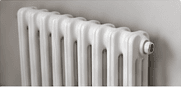
Check that repainting is appropriate
This guide concerns the decorative surface of a sound conventional water-filled radiator. Leaks, deep corrosion, loose brackets or heating faults need a heating professional before painting. Do not disconnect pipework or remove the radiator as part of this task. Electric radiators and specialist finishes require their manufacturer's advice. Unknown older paint also needs assessment before you create dust or disturb it.
Choose a product for the job
Check that the exact coating is approved for the radiator material and heated surface, rather than assuming all metal paint is suitable. Identify the required primer, application tools and minimum drying period before heat returns. Consider how the colour works beside the wall and pipework. Order enough for the intended coats; trying to stretch a small amount can produce weak coverage on edges and raised details.
Prepare a completely cold surface
Arrange for the radiator to remain off and allow it to cool fully. Protect the floor and nearby wall, and ventilate as the coating instructions require. Clean dust and greasy marks without soaking valves or controls. On an assessed safe surface, prepare existing paint using the specified method and prime any exposed metal with a compatible product. Dry all accessible crevices before beginning.
Paint accessible areas carefully
Mask controls and identification labels rather than painting across them. Use a suitable narrow or angled brush for details and maintain light, controlled coats. Check for runs beneath the top lip and along lower edges. Avoid filling air gaps with paint or coating valve mechanisms, bleed fittings and thermostatic heads. Do not force tools behind the radiator if access risks damaging the wall or pipe connections.
Restore normal use at the right time
Keep the radiator off for the period stated by the coating manufacturer, including any extra time after the final coat. Touch dry does not necessarily mean ready for heating. Remove masking carefully and inspect for accidental paint on controls before use. Keep the product information for maintenance. If a mark later needs attention, treat it as a small coating repair rather than building repeated thick layers over the whole radiator.
Related questions
Can I use the leftover wall emulsion?
Use it only if its manufacturer explicitly approves that product for the particular radiator surface. A matching colour in a suitable metal or radiator coating is usually the clearer specification.
Can I paint a chrome towel rail?
Do not assume the preparation for a painted steel radiator suits chrome or another plated finish. Ask the rail and paint manufacturers about compatibility; replacement may be more appropriate than an unsuitable coating.
Further reading
Prefer help with the project?
Tell us about the work and your property in Hampshire or West Sussex.
ASK FOR A QUOTE